


Why an Annual Gas Safety Certificate and Service Matters
- Igloo Heating
- Aug 27
- 7 min read

A boiler can look fine on the outside and still be unsafe, inefficient, or close to a breakdown. That is why an annual gas safety check is not just a box to tick. It protects people, property, and your budget.
For landlords, a Gas Safety Certificate is a legal responsibility. For homeowners, an annual service is one of the best ways to keep a boiler working safely and reliably through winter. For everyone, it offers peace of mind that gas appliances have been checked by someone qualified to spot risks before they become emergencies.
Igloo Heating is Gas Safe registered, fast, reliable, and based in Dorset. We support homes and landlords across Poole, Christchurch, Bournemouth, Southampton, Ringwood, Dorset, and Hampshire, with 24-hour call-out available when things cannot wait.

What a Gas Safety Certificate actually covers
A Gas Safety Certificate, often called a Landlord Gas Safety Record or CP12, confirms that gas appliances and related fittings have been safety checked by a Gas Safe registered engineer.
The check usually includes gas appliances such as:
Boilers
Gas fires
Gas cookers
Gas hobs
Flues and ventilation linked to gas appliances
During the visit, the engineer checks that each appliance is working safely. They look for signs of unsafe operation, poor ventilation, incorrect gas pressure, flue problems, and other faults that could put people at risk.
For landlords, the certificate must be renewed every year for rented properties with gas appliances. Tenants should receive a copy of the current record. This is not optional, and it is separate from general property maintenance.
For homeowners, there may not be the same legal duty, but the same safety risks still apply. Gas appliances need regular checks because small faults can develop quietly. A loose seal, blocked flue, poor combustion, or ageing component can cause trouble long before the boiler stops working.
A certificate gives a formal record of the safety check. A service goes further into maintenance. In many cases, it makes sense to book both together.
Why an annual boiler service is worth it
A boiler service is about prevention. It helps keep the boiler safe, clean, and efficient. It also gives an engineer a chance to find early signs of wear before they lead to a no-heating call-out on the coldest night of the year.
A typical annual service may include:
Visual inspection of the boiler and controls
Checks on the flue and ventilation
Combustion testing where required
Cleaning key components where appropriate
Checking seals, pressure, and safety devices
Looking for leaks, corrosion, or signs of damage
Confirming the appliance operates as it should
The exact checks depend on the boiler make, model, age, and condition. A proper service should never feel like a rushed glance. It should be carried out by a Gas Safe registered engineer who knows what to look for.
Safety is the main reason to service a gas boiler every year. Carbon monoxide is colourless and odourless, which makes it especially dangerous. A working carbon monoxide alarm is essential, but it does not replace a qualified gas safety check.
Reliability is the next big reason. Boilers work hardest when the weather is cold. If a part is already weak in autumn, it may fail under pressure in winter. An annual service reduces the chance of being left without heating or hot water when demand is highest.
Cost is another reason. A service has an upfront price, but it can help avoid larger repair bills later. It can also help the boiler run more efficiently, which matters when energy costs are high.

Why certificate cost should not be the only thing you compare
It is natural to ask about gas safety certificate cost annual service pricing before booking. Everyone wants a fair price. The problem comes when price becomes the only thing that matters.
A cheap check that is rushed, incomplete, or carried out without care can cost more in the long run. Gas safety work must be done properly. The engineer should be qualified, registered, and willing to explain anything they find.
The cost can vary depending on:
How many gas appliances need checking
Whether you are booking a certificate only or a certificate with a service
The location of the property
The age and condition of the boiler
Whether any faults are found
Whether it is a planned appointment or an urgent call-out
A landlord with one boiler in a flat will usually have a different visit from a larger property with several gas appliances. A modern boiler in good condition may need less work than an older system that has not been serviced for years.
What matters is value. A good annual visit should give you clear answers:
Is the system safe?
Is anything showing signs of wear?
Does anything need urgent repair?
Is there anything that could become a problem later?
Is the paperwork complete and clear?
Igloo Heating can advise on the right option for your property, whether you need a landlord certificate, an annual boiler service, or support with an active fault.
The benefit of monthly heating plans
Many people only think about their boiler when it stops working. By then, the repair can be more stressful, more expensive, and more urgent.
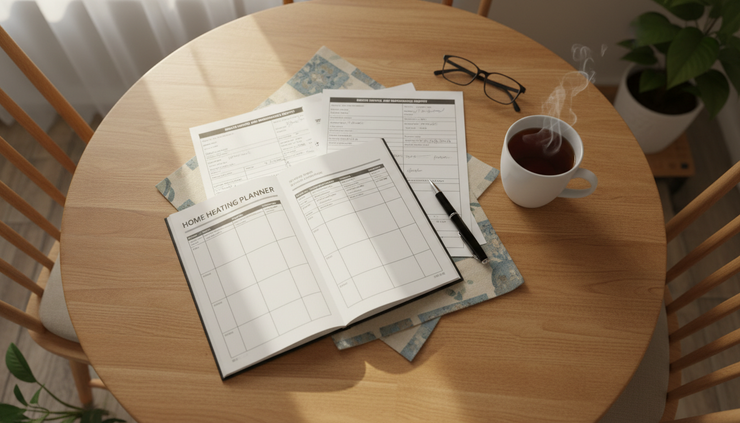
A monthly heating plan helps spread the cost and keeps maintenance on the calendar. Instead of facing one larger annual bill or remembering to book at the last minute, you can keep your heating care organised throughout the year.
A monthly plan can be useful if you want:
Regular servicing without having to chase dates
A more predictable way to manage heating costs
Faster support when faults appear
Better long-term care for your boiler
Peace of mind before winter
For landlords, a plan can also help with admin. Annual certificates come around quickly, especially if you manage more than one property. Missing a renewal can cause unnecessary stress and risk.
For homeowners, it can make heating maintenance feel less like a surprise expense. A boiler is one of the most important appliances in the home. It deserves the same regular attention as a car service or an MOT.
Signing up to one of Igloo Heating’s monthly plans is a simple way to stay ahead of servicing, safety checks, and unexpected faults.
What happens if a fault is found
Finding a fault during a safety check or service is not a failure. It is the reason the check matters.
Some faults are simple. A pressure issue, worn seal, or faulty part may be fixed quickly. Other problems may need parts, further investigation, or safety action. If an appliance is unsafe, the engineer must follow the correct process and explain what needs to happen next.
A good engineer should communicate clearly. You should know:
What the fault is
Whether the appliance is safe to use
What repair is needed
Whether parts are required
What the likely next step will be
Igloo Heating offers 24-hour call-out support and can generally fix most faults the same day, depending on the issue and parts availability. That matters when you have no heating, no hot water, a worrying boiler fault code, or a tenant reporting a problem.
Fast help is useful, but safe help matters more. Always use a Gas Safe registered engineer for gas appliances. You can ask to see their Gas Safe ID card, and you should never let unqualified work take place on a gas boiler.
Local support across Dorset and Hampshire
When a boiler breaks down, local knowledge helps. Igloo Heating works across Poole, Christchurch, Bournemouth, Southampton, Ringwood, Dorset, and Hampshire. That means help is close by for planned annual servicing and urgent repairs.
Local service also makes follow-up easier. If a part needs replacing, a certificate needs arranging, or a boiler fault comes back, you are not dealing with a distant call centre. You can speak to a heating team that works in the area and understands the needs of local homes and rental properties.
For landlords, this can be especially useful. Tenant heating issues often need fast action, clear communication, and proper paperwork. For homeowners, it means you can build a relationship with a regular heating company rather than starting from scratch every time something goes wrong.
Signs you should book a check sooner
An annual service is the normal routine, but some signs should not wait until the next scheduled appointment.
Book help sooner if you notice:
Yellow or irregular gas flames where they should be blue
Soot marks around an appliance
A boiler that keeps losing pressure
Strange smells near gas appliances
Repeated fault codes
Radiators not heating properly
Unusual banging, whistling, or gurgling noises
Hot water cutting in and out
A carbon monoxide alarm sounding
If you smell gas or suspect a gas leak, treat it as an emergency. Turn off the gas at the meter if safe to do so, open doors and windows, do not use electrical switches, and call the National Gas Emergency Service on 0800 111 999.
For boiler faults, heating breakdowns, annual servicing, or certificate bookings, call Igloo Heating on 07547 939494.
How to get booked in with Igloo Heating
Booking your annual gas safety check or boiler service is straightforward. You can contact Igloo Heating for advice, a planned appointment, or urgent help.
Call 07547 939494
Email help@IglooHeating.co.uk
Visit www.IglooHeating.co.uk
You can also follow our work on social media:
If you are unsure what you need, ask. A landlord certificate, boiler service, repair visit, and monthly care plan are different things, but they often fit together. Igloo Heating can help you choose the right option for your property.

A safer boiler starts with a yearly habit
Annual gas safety checks and boiler servicing are easy to put off because the boiler is often hidden away. Yet that one appointment can prevent bigger problems, support legal compliance for landlords, and help keep a home warm and safe.
The best time to book is before there is a fault. The next best time is now.
For a Gas Safe registered heating engineer in Dorset and Hampshire, call Igloo Heating on 07547 939494 for help and advice. With 24-hour call-out available, monthly plans, and reliable local support, keeping your boiler safe does not need to be stressful.


Comments